Charting e-wallet sequences that link starter offers to tiered rewards across handheld slot and table interfaces
Drew Schwarz · Oct 23, 2026
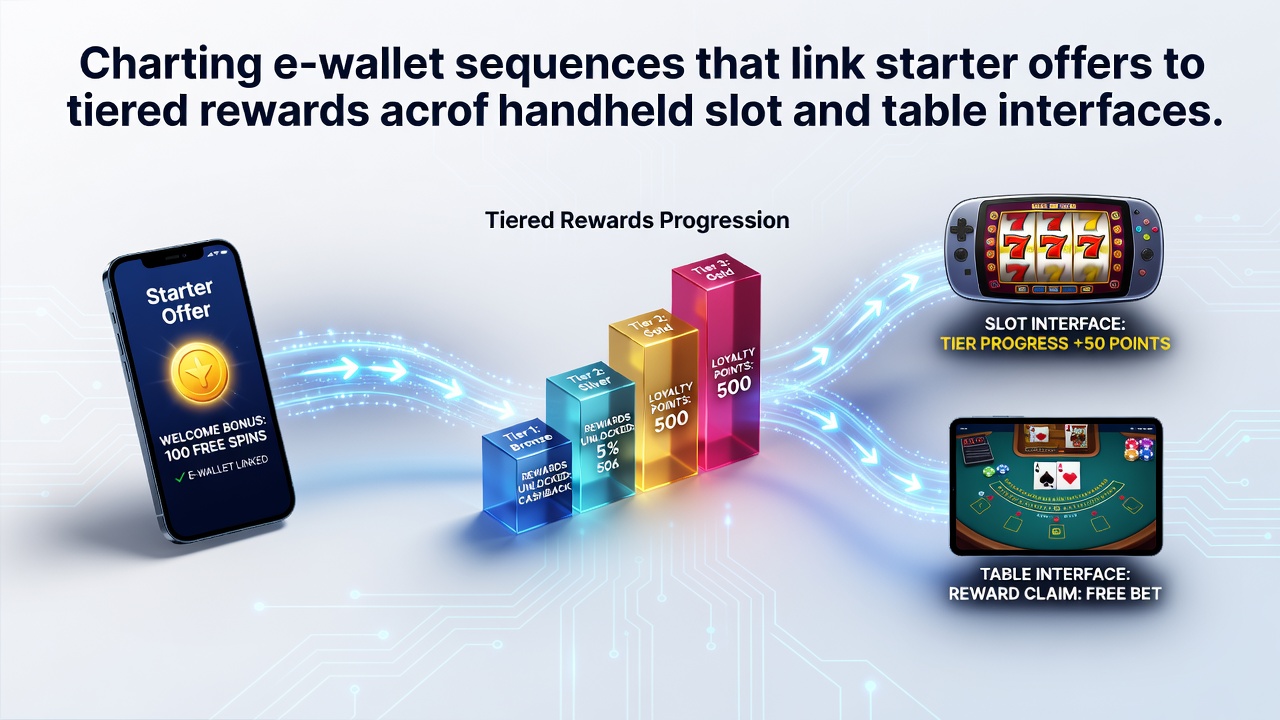
Charting e-wallet sequences that link starter offers to tiered rewards across handheld slot and table interfaces
Digital payment sequences have become central to how players move from initial offers into structured reward systems on mobile platforms. These pathways typically begin with starter offers such as matched deposits or free credits, then route through e-wallet transfers that record activity across slot reels and live table sessions on handheld devices. Observers tracking these flows note that the sequences depend on consistent transaction logging, which allows operators to map progress toward higher loyalty tiers.
Starter offers as entry points
Starter offers function as the first link in the chain. Data from industry reports indicate that many platforms issue these incentives through e-wallet accounts that require verification before funds or credits activate. Once a player claims a no-deposit credit or deposit match, the sequence records the initial transaction and assigns it to a mobile profile that tracks both slot spins and table game participation. According to figures from the Nevada Gaming Control Board, mobile transaction volumes in regulated markets have shown steady increases through 2026, with October data reflecting continued growth in e-wallet funded sessions.
E-wallet mechanics in mobile environments
E-wallets serve as the connective tissue because they enable rapid, traceable transfers between player accounts and game interfaces. In practice the sequence unfolds when a starter offer credit moves into a handheld slot session, generating play data that feeds into tier calculations. The same wallet then supports shifts to table interfaces, where bet sizes and session length contribute additional points. Researchers examining these patterns have documented that platforms maintain separate ledgers for slot activity and table play, yet both streams merge into a single loyalty account updated in real time on the mobile device.
Mapping the progression sequences
Charting these sequences reveals several common stages. First, the e-wallet validates the starter offer and applies it to the player's balance. Second, gameplay on slots or tables generates qualifying activity that the system logs against tier thresholds. Third, accumulated metrics trigger tier advancement, unlocking higher reward levels that may include additional credits or cashback routed back through the same wallet. Studies compiled by the American Gaming Association show that mobile users who maintain consistent e-wallet usage across both game types reach mid-tier status faster than those relying on multiple payment methods.
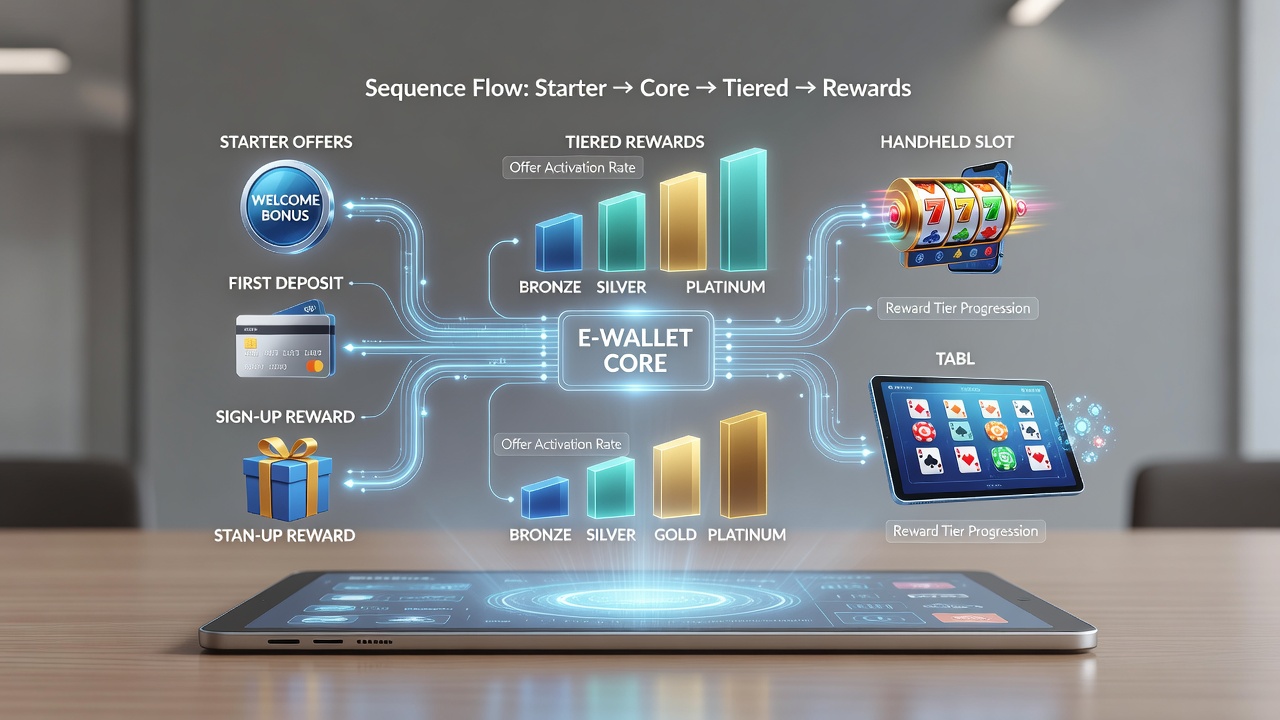
Additional stages appear when players move between game categories. A sequence that starts with slot spins may continue into live dealer blackjack on the same handheld session, with the wallet recording each transition. This cross-interface tracking allows operators to apply unified reward formulas. In October 2026 regulatory updates in several jurisdictions emphasized the need for transparent logging of these transitions to ensure accurate tier assignments.
Tiered rewards and sustained engagement
Tiered rewards build directly on the recorded sequences. Lower tiers often deliver modest cashback percentages or free spin bundles delivered via e-wallet. Higher tiers introduce personalized offers that scale with total mobile activity across slots and tables. Data compiled by academic researchers at the University of Nevada, Las Vegas, indicate that players who follow uninterrupted e-wallet sequences tend to maintain longer engagement periods before reaching premium status. The sequences also accommodate regional variations, with some markets requiring additional verification steps at each tier boundary.
Regulatory context and data tracking
Regulatory frameworks influence how these sequences operate. Authorities in multiple regions require operators to maintain auditable records of e-wallet transfers tied to promotional offers. In Australia the Australian Communications and Media Authority has issued guidance on mobile transaction transparency that aligns with similar standards elsewhere. These rules affect the visibility of starter offer redemptions and the speed at which tier progress appears on handheld screens. Platforms respond by embedding clear sequence indicators within their mobile interfaces so players can view accumulated activity without leaving the game environment.
Conclusion
The sequences that connect starter offers to tiered rewards through e-wallets continue to evolve as mobile slot and table interfaces incorporate more granular tracking. Current data through October 2026 show that consistent wallet usage across game types supports smoother progression, while regulatory oversight ensures the underlying transaction records remain reliable. These mapped pathways provide the operational backbone for loyalty systems that span handheld platforms.