Maine iGaming Regulations Move Forward With Proposed Rules Targeting Q1 2027 Launch
Drew Schwarz · Oct 9, 2026

Maine iGaming Regulations Move Forward With Proposed Rules Targeting Q1 2027 Launch
Maine's online casino market has taken another concrete step toward launch as state officials released the third set of proposed rules on September 30, 2026, covering licensing procedures, player account management, gaming systems, advertising standards, and responsible gambling measures. Gambling Control Unit Executive Director Milton Champion indicated that the market now stands more likely to open in the first quarter of 2027 than by the close of 2026 because multiple remaining tasks require completion before operations can begin.
Details of the Latest Rule Package
The new document, titled Igaming THIRD PUBLICATION 9.30.26 (proposed rules package, 15 chapters), lays out comprehensive requirements across fifteen chapters that address how operators must handle licensing applications, verify player identities, secure gaming platforms, manage advertising content, and implement responsible gambling tools. Comments on these proposals remain open until October 30, giving stakeholders a full month to submit feedback before regulators finalize the framework.
Those who have followed the process note that each successive version of the rules has incorporated earlier public input while adding new layers of operational detail, and the current package continues that pattern by specifying technical standards for gaming systems alongside clear expectations for advertising disclosures and self-exclusion programs.
Remaining Steps Before Launch
After the comment period closes, the rules face a legal review process that must conclude before they can take effect. At the same time the Gambling Control Unit plans to hire six additional staff members to handle the anticipated workload of reviewing applications and monitoring compliance once operators enter the market. Officials also intend to deploy a licensing portal that will allow prospective operators to submit materials electronically and track application status in real time.
Each of these tasks carries its own timeline, and Champion has stated that the combined sequence makes a 2026 opening date less probable than a Q1 2027 start. Observers who track state gaming expansions point out that similar staffing and portal development phases in other jurisdictions have typically required several months once rules reach final form.
Industry Preparation and Partnerships
Despite the extended timeline, major operators have continued to position themselves for eventual entry. Caesars has already formed partnerships with Wabanaki Nations, establishing commercial relationships that will support future iGaming operations once licensing begins. These agreements reflect a broader pattern in which land-based operators and tribal entities secure early alignments ahead of regulatory clearance in emerging markets.
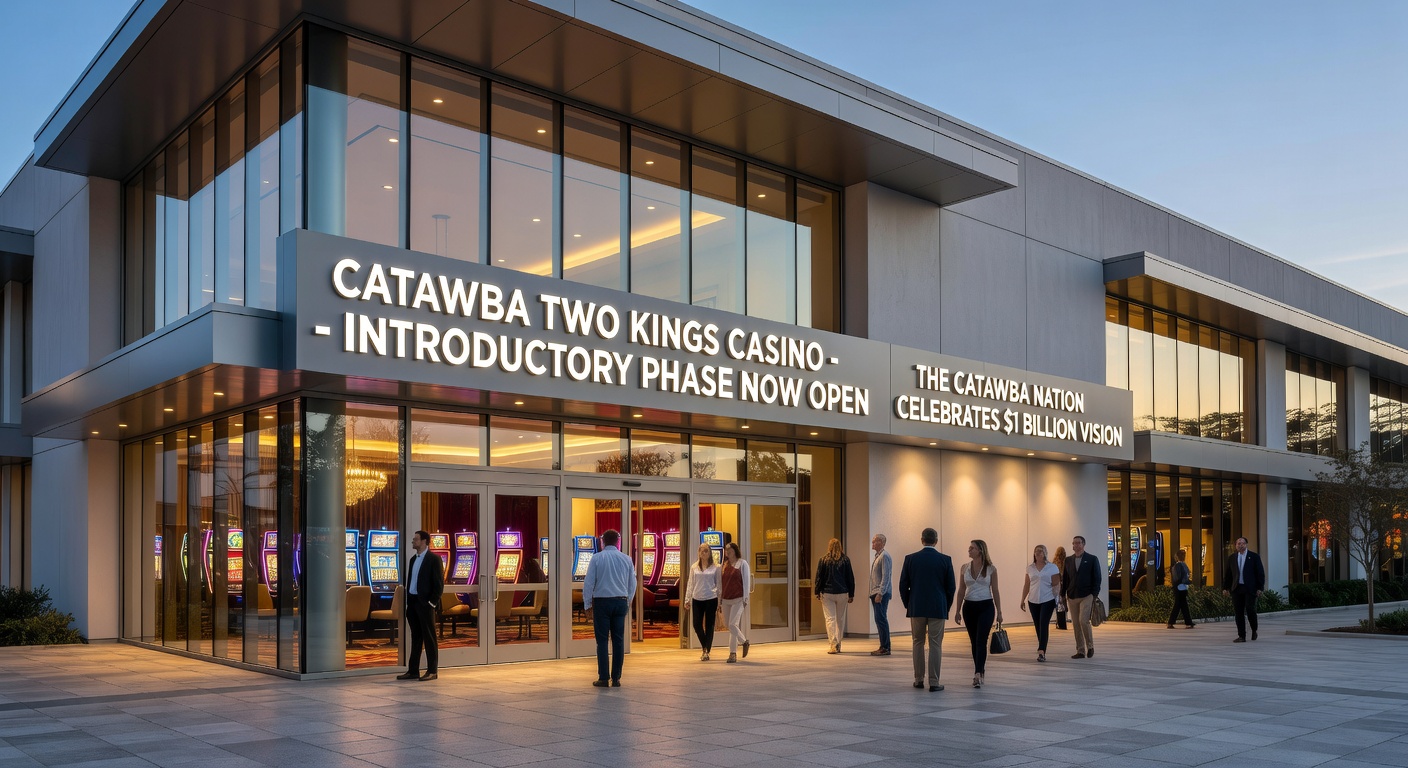
Those agreements typically address revenue sharing, marketing coordination, and platform integration, and they allow both parties to begin technical and operational planning while the state completes its remaining administrative steps. The presence of such partnerships indicates that industry participants view the regulatory trajectory as sufficiently stable to justify upfront investment.
Context Within Broader Regulatory Timeline
Maine's iGaming framework has evolved through three distinct rounds of proposed rules, each building on feedback received from the previous iteration. The September 30 publication represents the most detailed version yet and signals that regulators have moved from high-level policy questions to granular operational requirements. This progression mirrors patterns seen in other states that have introduced online casino products, where initial frameworks focused on policy principles and later versions addressed technical compliance and consumer protections.
Comments submitted by October 30 will inform any final adjustments, after which the legal review and staffing phases will determine when the licensing portal opens for applications. Champion's assessment that Q1 2027 now represents teh more realistic window accounts for the cumulative duration of these sequential processes.
Conclusion
The release of the third proposed rules package on September 30, 2026, marks the latest milestone in Maine's path toward regulated iGaming, yet several administrative requirements remain before operators can obtain licenses and begin offering services. With comments due by October 30, a subsequent legal review, the hiring of six staff members, and the launch of a licensing portal still ahead, the Gambling Control Unit has indicated that a Q1 2027 opening now appears more probable than a 2026 launch date. Existing partnerships between operators such as Caesars and the Wabanaki Nations demonstrate that industry preparation continues even as the state completes its final regulatory steps.